On May 24, 2024, a gas water heater exploded and started a fire in my Atlanta home. The Certificate of Occupancy came in December 2025. That's about 18 months — and the insurance claim still wasn't finished by then.
What happened in between was not a clean story. It was asbestos in the walls, a burglary three months into recovery, a public adjuster, a cabinet dispute, a contents inventory that took nearly two years to receive, and a final personal-property payment that didn't arrive until spring 2026.
This is the full timeline. This article is the hub for everything else on this site — the other posts go deeper on each piece.
2022 — The Hail Claim
Before the fire, there was a hail claim. In 2022, a storm caused roof damage. The claim paid out around $12,000. At the time, this felt like the insurance system working exactly as advertised.
It also started a claims clock that would matter a great deal later. That distinction ended up being important.
May 24, 2024 — The Fire
A gas water heater exploded. The resulting fire caused major structural and smoke damage throughout the house. I'll write separately about what the first 24 hours looked like. This article is about the claims process.
The short version: the house was uninhabitable. It stayed that way for 18 months.
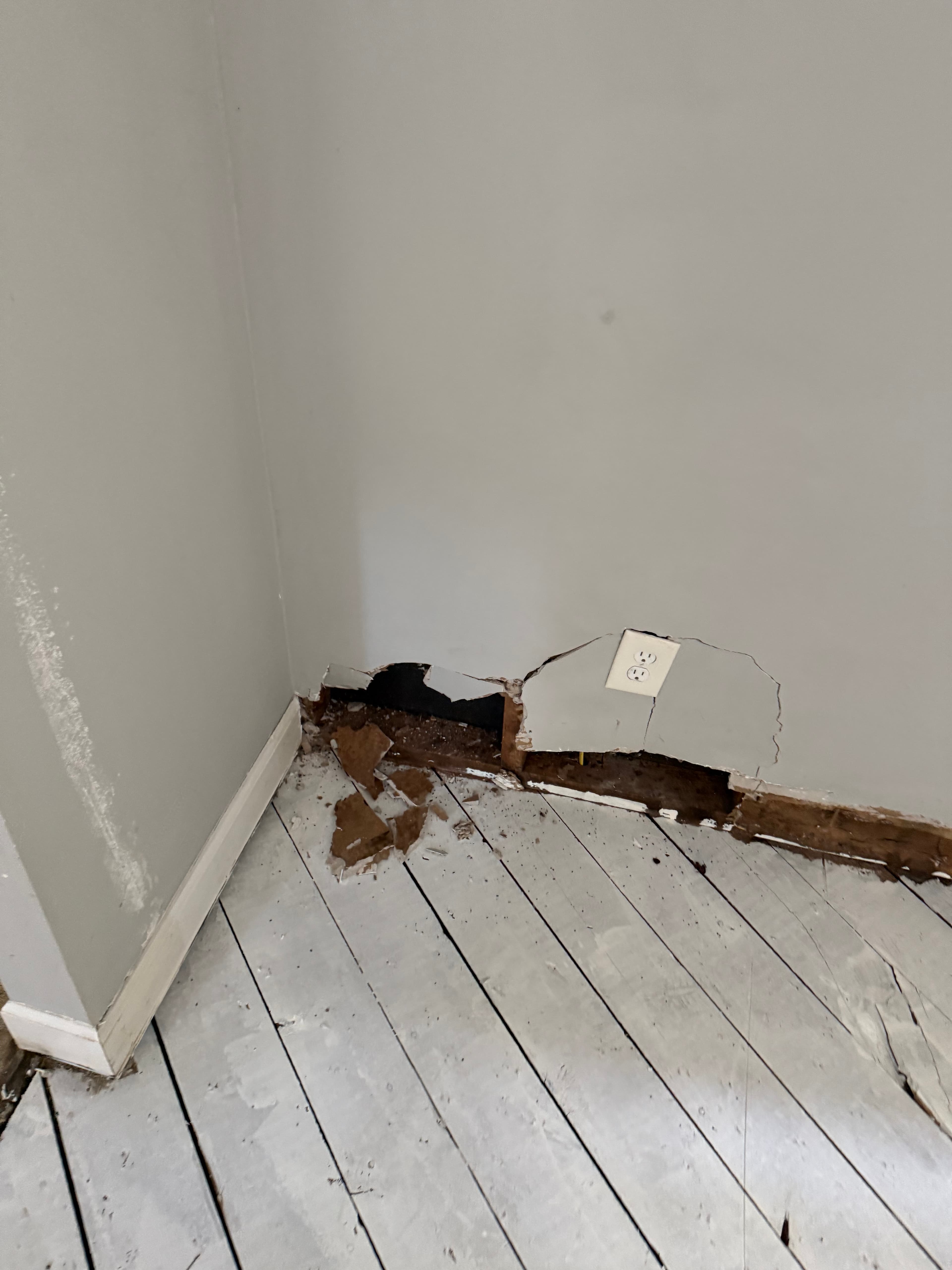
May 28–29, 2024 — Mitigation Begins
Four days after the fire, restoration and mitigation work began. A small personal-property advance arrived — about $1,000 — and the restoration company began the contents packout.
Here's where it gets weird. The contents-cleaning invoice eventually came in around $22,000. The packout and storage amount came in around $21,000. Combined: over $40,000 — for cleaning, packing out, and storing the contents of one house. Before any actual rebuilding started.
The contents packout is covered in full in a separate post: What a House Fire Contents Packout Actually Costs. The short version is that over $40,000 is a significant number, and the inventory document that was supposed to explain what was cleaned and stored took nearly two years to actually receive.
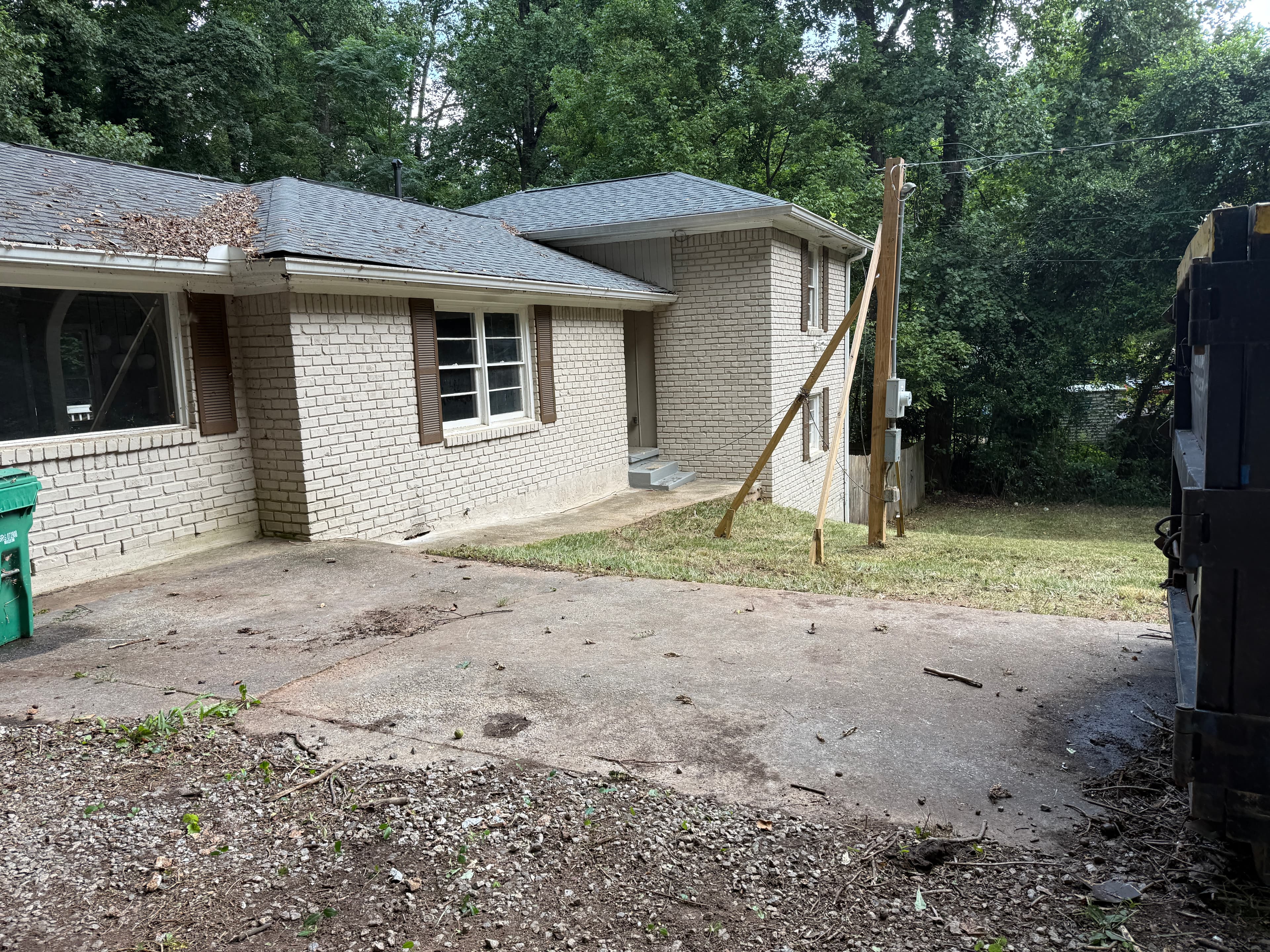
Summer 2024 — Asbestos
During the damage assessment, chrysotile asbestos was discovered in the wall and ceiling joint compound. This isn't unusual in older homes, but it added a layer of required abatement work and a separate set of costs before reconstruction could proceed.
| Item | Approximate Amount |
|---|---|
| Initial abatement | nearly $20,000 |
| Additional supplement | about $1,600 |
| July invoice total | nearly $20,000 |
The asbestos discovery added significant time and cost to the timeline before any structural repair could begin. That's one of those things nobody mentions when you buy a house built in a certain era.
Summer 2024 — Public Adjuster
During the summer, I hired a licensed public adjuster to assist with the fire claim. By late summer 2024, the public adjuster was actively involved in inspections, estimates, documentation, and negotiations with the insurer.
I wrote a full post on why I hired a public adjuster, what they actually did, what was useful, and how the disbursement process worked: What a Public Adjuster Does — and What It Actually Costs. The fee structure, the money flow, and the accounting all have layers that aren't obvious upfront.
I won't identify the public-adjusting company by name in this blog.
Approximately August 2024 — Burglary
Roughly three months after the fire — while the house was still uninhabitable and in active recovery — the property was burglarized.
This opened a second insurance claim, separate from the fire. The burglary replacement value was approximately $15,000. The initial payment was approximately $8,000.
A vacant or damaged property during recovery is a security risk. This sounds obvious in hindsight. It's less obvious in the first weeks when you're managing mitigation, temporary housing, contents removal, and everything else simultaneously.
2024–2025 — The Long Middle
This is the part of a major property claim that nobody warns you about: the extended middle section. The fire is dramatic. The settlement check is a conclusion. But between those two events is a lot of estimating, supplementing, negotiating, and waiting.
During this period: the restoration company was cleaning and storing contents, the public adjuster was building and negotiating the dwelling estimate, asbestos abatement was completed, and reconstruction planning was underway. The early reconstruction working estimate was about $55,000. That number would not hold.
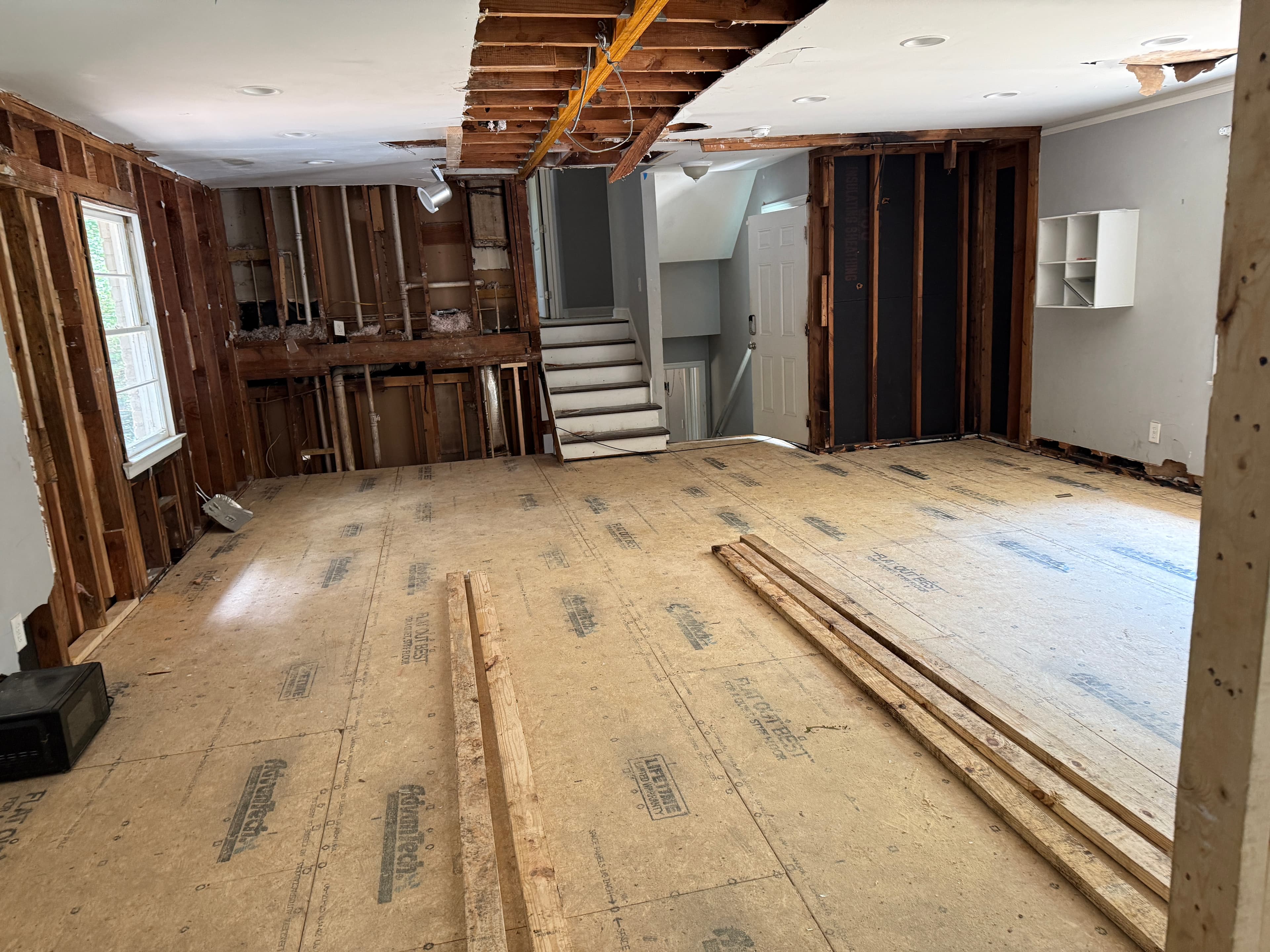
Mid-2025 — Dwelling Figures Established
More than a year after the fire, my insurer established the dwelling claim figures. Here's what the numbers looked like at that point:
| Category | Approximate Amount |
|---|---|
| Dwelling RCV | about $125,000 |
| Depreciation | over $50,000 |
| Dwelling ACV | about $75,000 |
| Deductible | ($1,000) |
| Initial net amount | nearly $75,000 |
| Total dwelling payments at that point | about $95,000 |
| Potential ordinance/code coverage | about $5,000 |
The math here is revealing. The initial net amount was nearly $75,000. But total dwelling payments by that point were already around $95,000. That gap reflects supplements, earlier payments, and the way large claims rarely move in one clean transaction.
Late 2025 — Reconstruction Costs
The early working estimate was about $55,000. The actual reconstruction cost was over $130,000. Documented dwelling damages came to about $133,000. Contractor invoices ran approximately $117,000. Additional direct out-of-pocket rebuilding expenses added roughly $2,700.
There were also smaller reconstruction costs that add up:
| Item | Approximate Amount |
|---|---|
| Temporary power usage | about $1,200 |
| Temporary power hookup | about $500 |
| Temporary toilet | about $1,250 |
| Job-site storage container | about $340 |
| Combined | about $3,300 |
Also during this period: the cabinet dispute. The cabinetry estimate came in over $17,000. The final settlement was $10,000 — a difference of about $7,000.
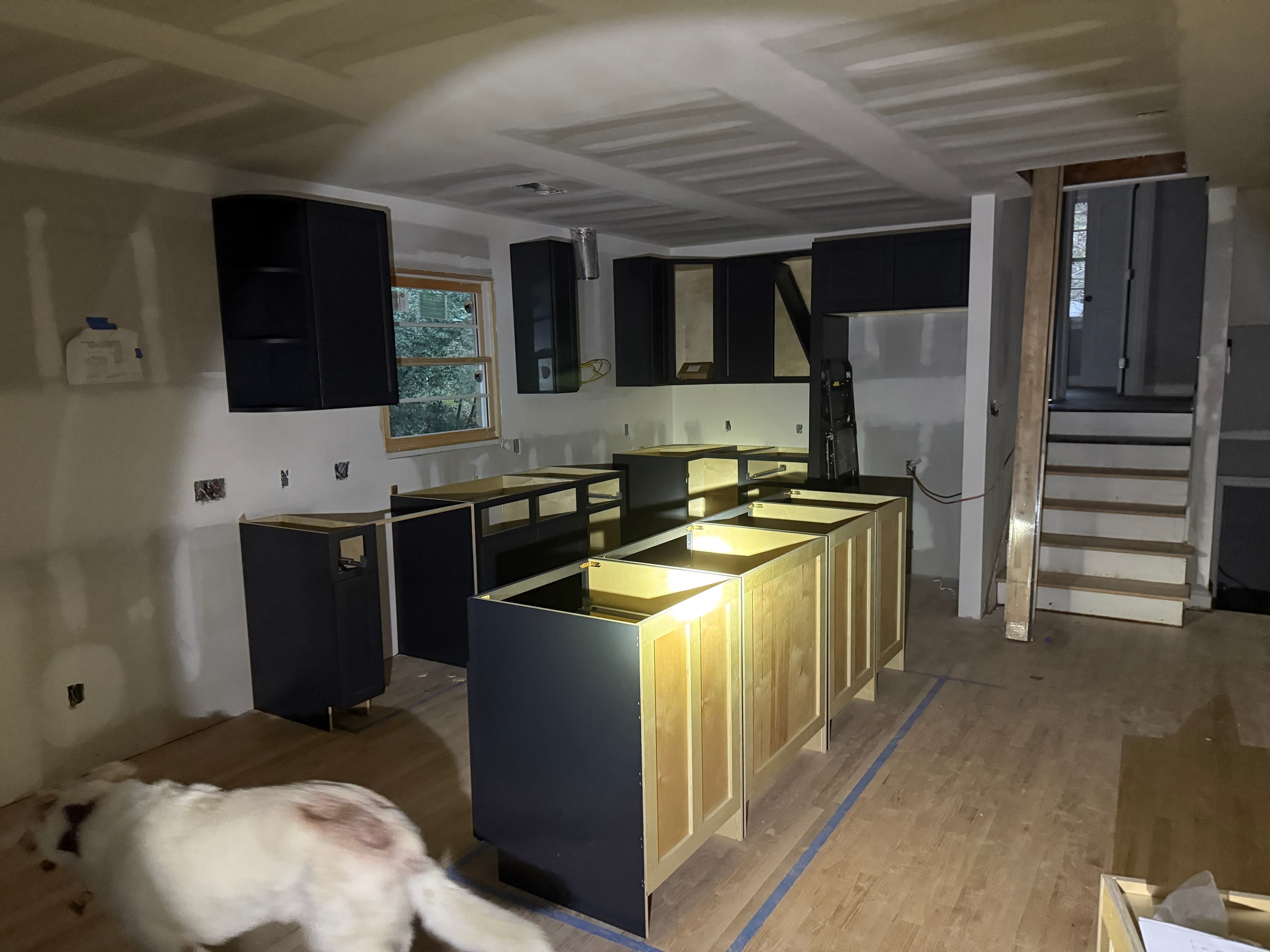
December 2025 — Certificate of Occupancy
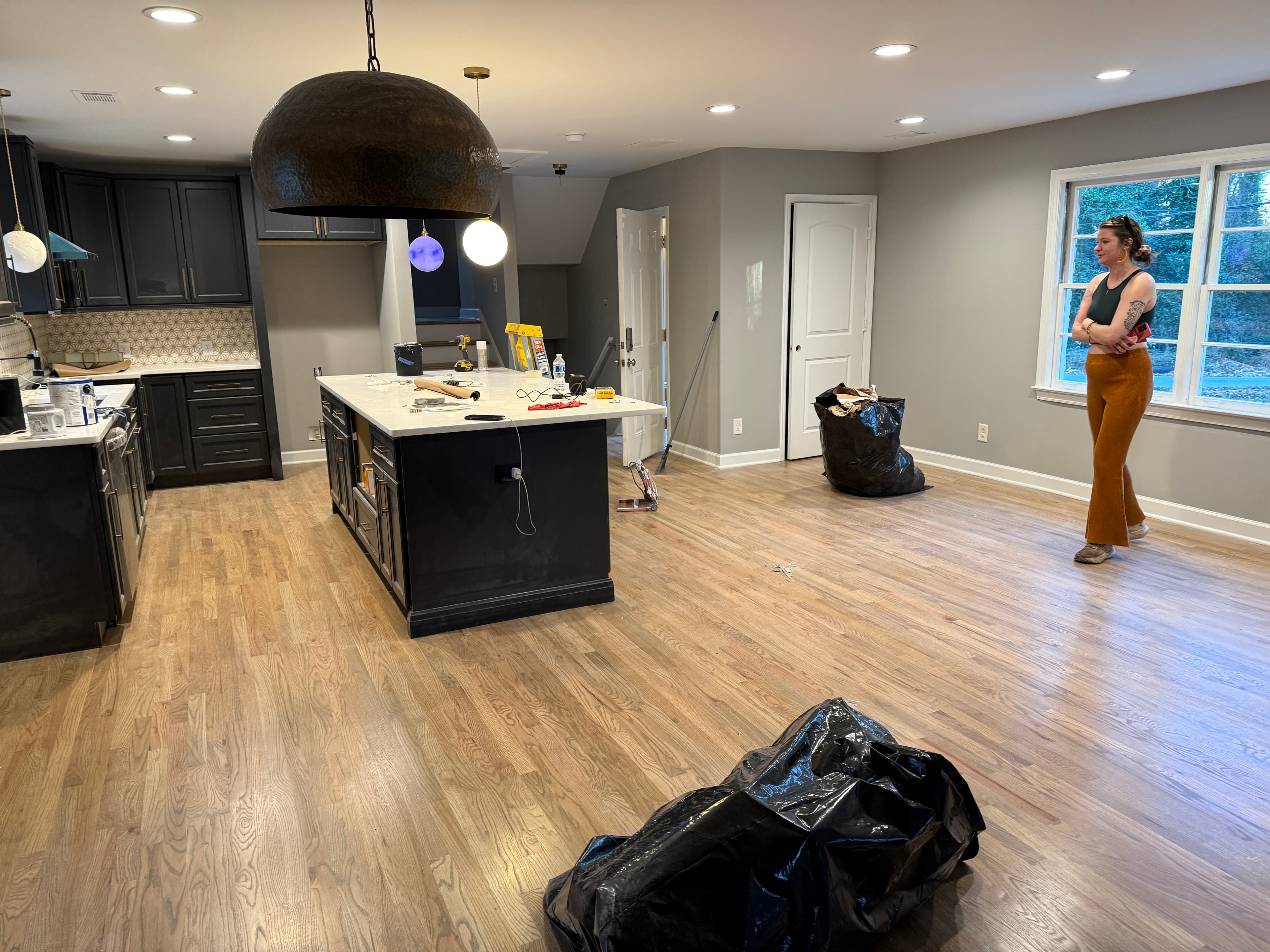
Reconstruction was substantially complete. The Certificate of Occupancy was issued in December 2025. About 18 months after the fire.
This is the part nobody explains clearly: the CO does not mean the insurance claim is finished. It means the structure is habitable. Several significant payments and disputes were still unresolved at this point.
January 2026 — Major Dwelling Payments
More than six weeks after the CO, a major dwelling payment arrived — roughly $53,000.
Earlier, in spring 2025, there had been a payment of about $31,000. The combined amount reflected in later public-adjuster accounting was nearly $85,000.
Public-adjuster client disbursements from those funds:
| Item | Approximate Amount |
|---|---|
| Disbursement 1 | about $21,000 |
| Disbursement 2 | about $46,000 |
| Combined | about $67,000 |
Additional accounting items included a reimbursement of about $2,200 and a vendor payment around $550.
January 26, 2026 — Restoration Inventory Received
On January 26, 2026 — roughly 20 months after the packout began — the signed restoration inventory was finally provided.
This matters because my insurer's personal-property valuation was based on about 50 specific items. The delay between a contents packout and a usable, signed inventory is something I'll write about separately — it's more common than it should be, and it has real downstream effects on how quickly a contents claim can settle.
Early 2026 — Personal Property Settled
In early 2026, the first personal-property payment arrived: about $14,000. A second payment followed about five weeks later: about $3,000. Combined: almost $20,000.
Those two payments represent the actual cash value on about 50 items with a combined replacement value of nearly $30,000, after roughly $13,000 in depreciation was applied. I wrote a full post on how that math works: My Insurance Company Paid Almost $20,000 for Personal Property: Here's How the Math Worked.
What This Timeline Actually Looks Like
Here's the shape of it: a fire in May 2024, and the contents claim didn't fully settle until spring 2026. Nearly two years. Three insurance claims. One public adjuster. A burglary. Asbestos. Eighteen months without living in the house.
And by 2026, the homeowners insurance premium had gone from roughly $1,400 a year before the fire to about $8,400 a year. That's a 500% increase. That story is in What Happens When You Have Three Homeowners Insurance Claims in Four Years?
What a Homeowner Can Take From This
- Document everything from day one. The inventory delay that stretched this claim is avoidable if you start documenting contents yourself immediately, before the restoration company takes over.
- Track every payment independently. Insurance payments arrive across multiple events, sometimes through a third party. Maintain your own ledger.
- Understand that the CO is not the finish line. Major insurance payments can — and in this case did — come after reconstruction was complete.
- Three claims in four years will follow you. The premium impact from a cluster of claims is significant and lasts.
- Ask about asbestos before reconstruction starts. Discovery after work begins complicates everything. An early abatement assessment is worth the cost.
- Georgia homeowners: pull your policy's ordinance/code coverage. Asbestos abatement and code-required upgrades can push reconstruction costs far past the initial estimate. That coverage gap is where policyholders often get surprised.