I hired a public adjuster about three months after my Atlanta home burned down. I didn't fully understand what I was hiring at the time. I understood the pitch — someone to fight the insurance company on my behalf — but I didn't understand the mechanics: what they actually do day to day, how the fee works, or how the money moves. This post is what I wish someone had explained before I signed the agreement.
What a Public Adjuster Is
A public adjuster is a licensed professional who represents policyholders — not insurance companies — in property insurance claims. In Georgia, public adjusters are licensed by the Office of Insurance and Safety Fire Commissioner. They are specifically authorized to prepare, present, and negotiate claims on behalf of the insured.
This is different from a contractor who says they'll "handle the insurance." Contractors handle the repair. A public adjuster handles the claim — the documentation, the estimate, the negotiation with the insurer. Some contractors do both; most shouldn't be trusted to do both, because the incentive to inflate estimates to cover their own costs can create problems that land on you.
It's also different from a lawyer. A public adjuster works within the claims process. If the dispute escalates to bad-faith litigation, that's an attorney's domain. Most major fire claims don't go there. Most live and die in the claims process, which is where a PA operates.
What They Actually Do
The job breaks into a few distinct phases, and it's worth understanding each one because you'll be living through them.
Inspection and documentation
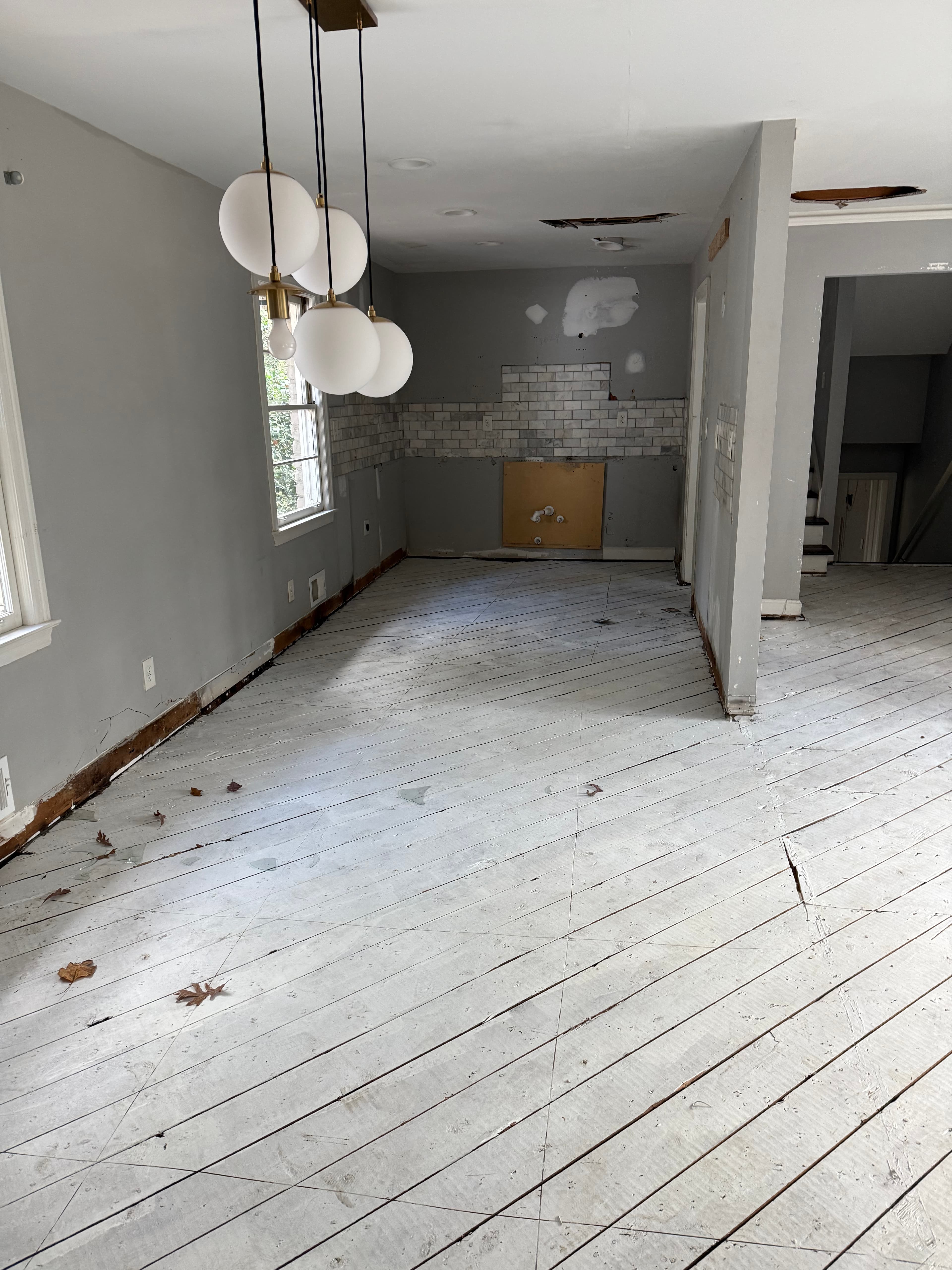
After a major fire or smoke damage claim, there's a period before reconstruction begins where the damage is exposed and documentable. Your PA will walk the property with you — and separately from the insurer's adjuster — to build an independent record of the damage. Photos, measurements, material specifications. This becomes the basis for their estimate.
The insurer's adjuster is also documenting the damage. The difference is whose interests each estimate serves. The insurer's estimate is the floor of what they're willing to pay. The PA's estimate is an argument for what the damage actually costs to repair.
Building the estimate
Most professional estimates — both insurer and PA — are built in Xactimate, a software that prices repair line items by material, labor, and geography. The argument isn't usually over whether the software is right. It's over which line items are included, what scope is covered, and how damage in one area connects to damage in another.
My PA's estimate and the insurer's initial estimate differed by tens of thousands of dollars. That gap — the difference between what the insurer says it costs and what it actually costs — is what the PA exists to close.
Negotiation
After estimates are exchanged, the PA negotiates with the insurer's adjuster directly. This happens over email, phone, and sometimes in-person reinspections. It can take weeks or months. Supplements get filed as additional damage is discovered or as line items are disputed. Payments arrive in stages.
This is where having a professional matters most. Knowing which fights to push and which concessions to accept requires experience with how insurers evaluate claims, which arguments work, and when to escalate to appraisal. I didn't have that knowledge. My PA did.
Managing the money flow
This is the part that surprised me most: on many major claims, the insurer's checks go to the PA first. The PA then disburses funds to the policyholder and pays vendors from those funds. You are not in the cash flow — the PA is.
This isn't unusual and isn't inherently a problem. But it means you need to understand the disbursement structure before you sign, keep your own accounting, and verify that every payment from the insurer is accounted for in what you receive.
How the Fee Works
Many public adjusters in Georgia, including Resurgens, work on contingency — a percentage of the gross insurance settlement. The fee is negotiated upfront and stated in the written agreement you sign before they begin work. It comes out of the claim proceeds, not your pocket directly.
The practical effect: the larger the settlement, the larger the PA's fee — and vice versa. Their incentive is aligned with yours to maximize the recovery. That alignment is real. It's also worth understanding that a PA who settles quickly for less than the claim is worth may be paid less than one who documents and pursues the supported amount. The incentive structure rewards thoroughness.
Georgia law caps public adjuster fees. Know the cap before you negotiate, and get the fee agreement in writing before any work begins. A PA who resists putting the fee in writing before starting is a PA you should not hire.
How the Money Actually Moved in My Claim
The dwelling claim on my Atlanta fire went through my PA's escrow account. Here is approximately how the accounting looked for the major payments:
| Event | Approximate Amount |
|---|---|
| Major dwelling payment from my insurer (spring 2025) | about $31,000 |
| Major dwelling payment from my insurer (January 2026) | about $53,000 |
| Combined received through PA | nearly $85,000 |
| Client disbursement 1 | about $21,000 |
| Client disbursement 2 | about $46,000 |
| Reimbursement and vendor payments | about $2,800 |
| Combined disbursed to client | about $70,000 |
The difference between what came in (nearly $85,000) and what was disbursed to me (about $70,000) represents the PA's fee plus any vendor payments handled through their account. That math is what the fee agreement should make explicit before you sign.
Keep your own parallel ledger. Note every payment the insurer sends, who it's addressed to, and when you receive your corresponding disbursement. I kept a spreadsheet. That discipline matters.
When It Makes Sense to Hire One
A public adjuster makes sense when:
- The claim is large and complex. A $5,000 roof claim probably doesn't need a PA — the fee may exceed the value added. A $130,000 fire with asbestos, contents, and ALE components almost certainly does.
- You don't have time or expertise. Navigating a major claim while living in a hotel, managing contractors, and working a full-time job is brutal. A PA handles the claim process so you can focus elsewhere.
- The insurer's estimate feels low. If you get an initial offer and your contractor says it's not enough to do the work, that gap is exactly what a PA exists to close. See how Resurgens approaches denied and underpaid claims.
- There are coverage disputes. Asbestos abatement, code upgrades, matching, scope disputes — these require documentation and negotiation skill most homeowners don't have.
A public adjuster does not make sense when the claim is straightforward, the insurer's offer covers the actual repair cost, or the claim amount is small enough that the contingency fee would consume most of the benefit.
What I'd Do Differently
- Read the fee agreement line by line before signing. Understand exactly what percentage they're taking, whether it applies to the gross or net settlement, and what happens if you terminate the agreement mid-claim.
- Understand the disbursement process before money moves. Ask specifically: does the insurer pay you directly or through the PA? Who signs the checks? What's the expected timeline between the insurer paying and you receiving disbursement?
- Keep your own accounting from day one. Don't rely on the PA's accounting statements as your only record. Track what comes in and what goes out independently.
- Ask for references from Georgia claims specifically. A PA who primarily works in Florida has different experience than one who knows Georgia's specific insurer behaviors and local contractors.
- I would hire one again. On a claim this size, in this complexity, with a major carrier, I would not navigate it alone. But I'd go in better informed about the fee and the money flow.
Related: Complete Timeline of My House Fire and Insurance Claim — where the PA fits into the full 18-month story.